

Wastewater journey
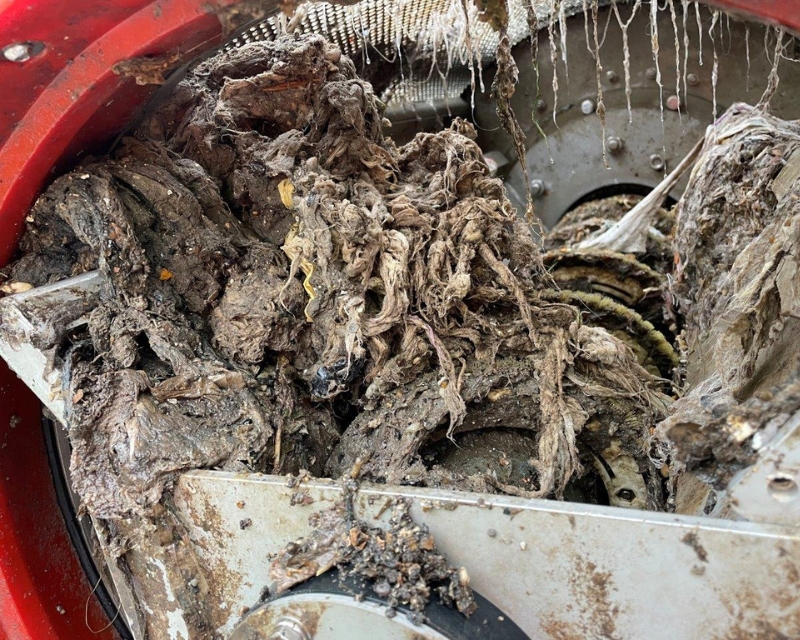
Screening
Before the treatment process starts, raw wastewater goes through screens to filter out things that shouldn't have been flushed - wet wipes, rags, debris and other objects. These materials often don't make it this far as they act as obstacles that snag, build up and block pipes earlier in the network.
Removing the non-flushables that make it here, which get taken to landfill, helps to protect pumps and other equipment further downstream.
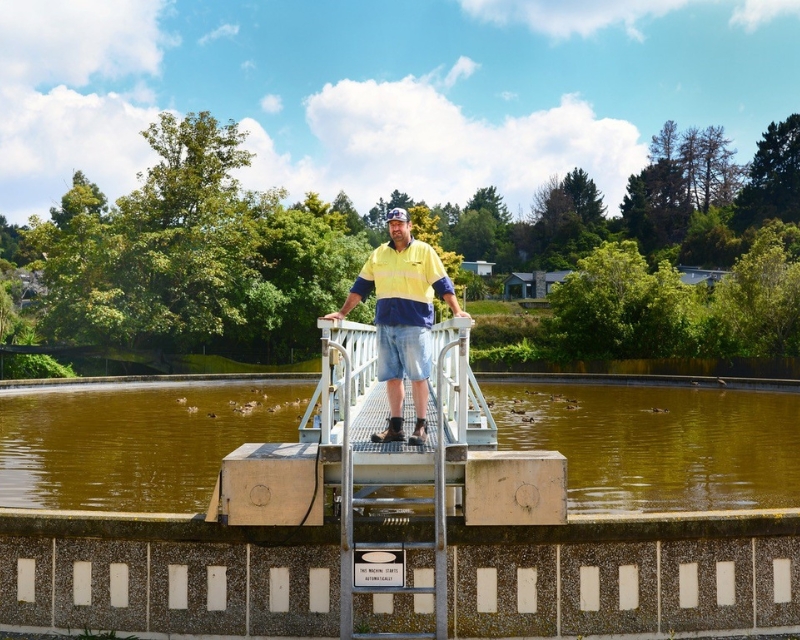
Separation
After screening, there’s a settling process to remove sand and grit. Then the wastewater moves into tanks where the solids separate from liquid and settle to the bottom.
At the Taupō wastewater treatment plant, those solids spend about 20 days in a digester before going to a farm where worms turn it into vermicast, a sought-after natural fertiliser.
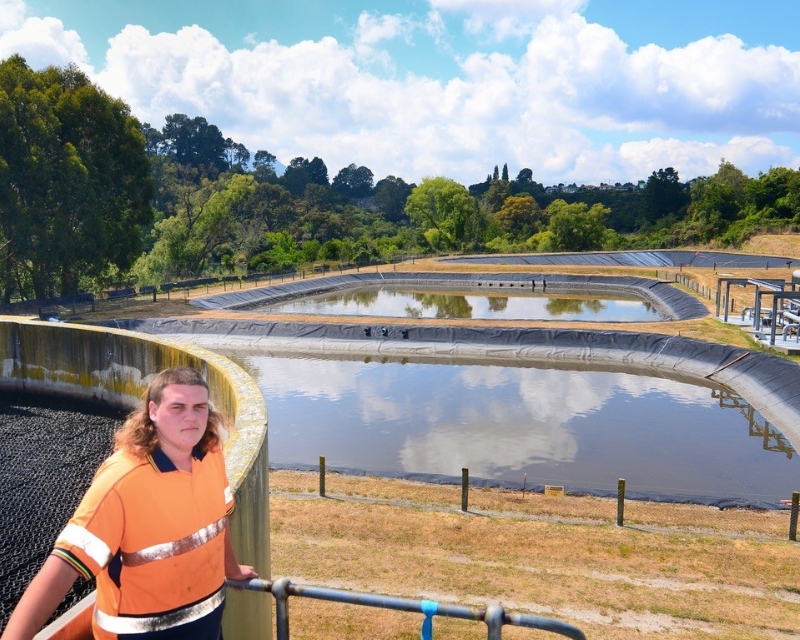
Removing nutrients
The remaining liquid continues on and is treated further in sedimentation tanks and biological filters. The partially-treated water moves into clarifiers where any remaining solids settle out. These solids (known as sludge) are collected and sent for further treatment.
With the sludge removed, the wastewater is pumped onto a series of filters where bacteria strip out the dissolved solids and clean the water.
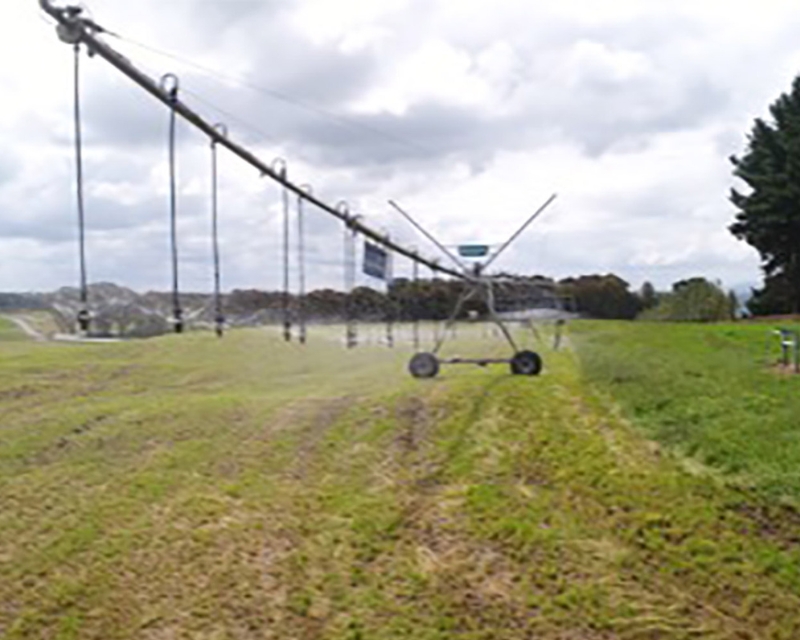
Safe discharge
Once fully treated, the remaining wastewater is returned to waterways or land under strict consent conditions from Waikato Regional Council.
In Taupō, the water is pumped up to nearby farms where it's used to irrigate ryegrass, which we then sell as stock feed.
In Kinloch, the treated water is irrigated below the local golf course, where the nutrients help to grow lush green grass. This method prevents any nutrient leaching to groundwater or Lake Taupō.
